
ART DIRECTION
CLIENT

Apple
Macbook Pro Spot (2026)
-
Directed by Jont
Edited by Jont
Shot by Mark Yeow
CLIENT
Uniqlo Marina Bay Sands Key Visual
-
Art Direction by Jont
Illustrated by Jont
Uniqlo

CLIENT
BMW M Series animation film
-
Art Direction by Jont
Illustrated by Jont
BMW

CLIENT
Uniqlo Paya Lebar Key Visual
-
Art Direction by Jont
Illustrated by Jont
Uniqlo


CLIENT
In No Particular Order Gallery Graphics (NY)
Graphic Direction by Jont and Sean Brown
Prepared by Jont
Curves/
Shopify


BRANDING
CLIENT
Daily Seventh Art Direction
Graphic Direction by Jont and Emmanuel Duru
Prepared by Jont
Seventh


CLIENT
BEAMS T x Seventh Graphic Direction
-
Graphic Direction by Jont and Emmanuel Duru
Prepared by Jont
Seventh/
BeamsT


CLIENT
Beyond The Vines
Brand Art Direction
Logo / Campaigns / Graphic / Product
Art Direction by Rebecca Ting and Jont
Illustrated and animated by Jont


CLIENT
In No Particular Order Gallery Graphics (LA)
Graphic Direction by Jont and Sean Brown
Prepared by Jont
Curves/
Shopify


ILLUSTRATION & ANIMATION
CLIENT
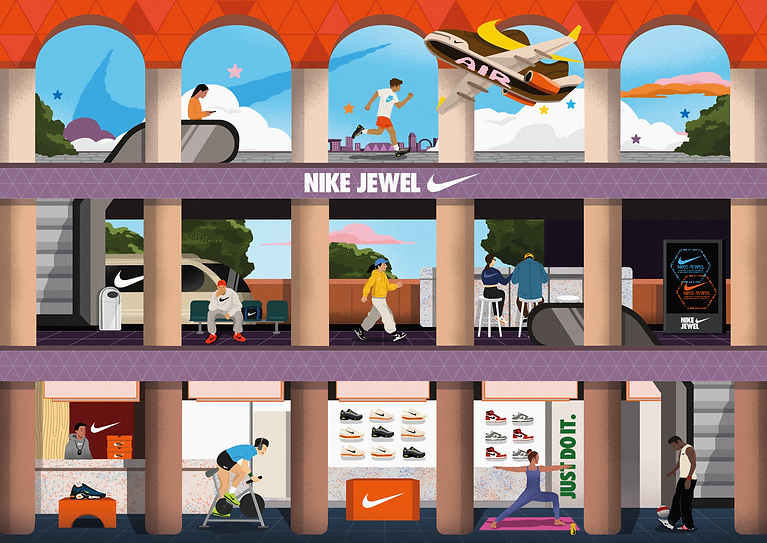
Nike Jewel Key Visualiser
-
Illustrated by Jont
Nike
CLIENT
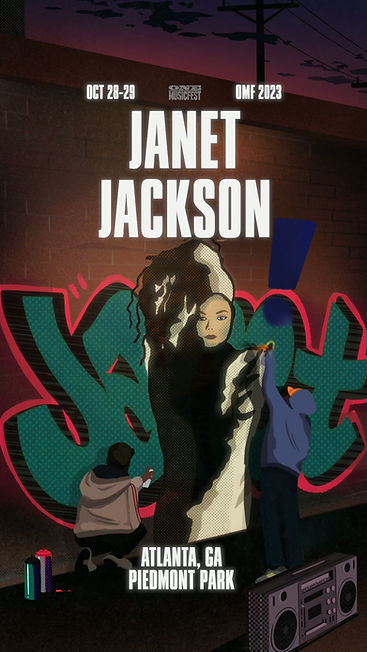
Key Visual Headliner Animation
Graphic Direction by Andrew Cigna and Jont
Illustrated and animated by Jont
One
Music
Festival


CLIENT
Casetify Art Direction
Graphic Direction by Jont and Rebecca Ting
Illustration by Jont
Beyond
The
Vines/
Casetify

COMMERCIAL
CLIENT
Apple
Apple Studio Display (2026)
-
Directed by Jont
Performed by Isaac Mosna & Jont
Edited by Jont
Shot by Noah Elisha Yeoh &
Alfred Mok

CLIENT
Antithesis Campaign (Tokyo)
-
Directed by Jont
Edited by Jont
Shot by Jont
Aesop

Seventh
CLIENT
Feature: Summer Collection
-
Directed by Jont & Emmanuel Duru
Performed by Jont
Edited by Jont
Shot by Colby Peh
